

October 22, 2026
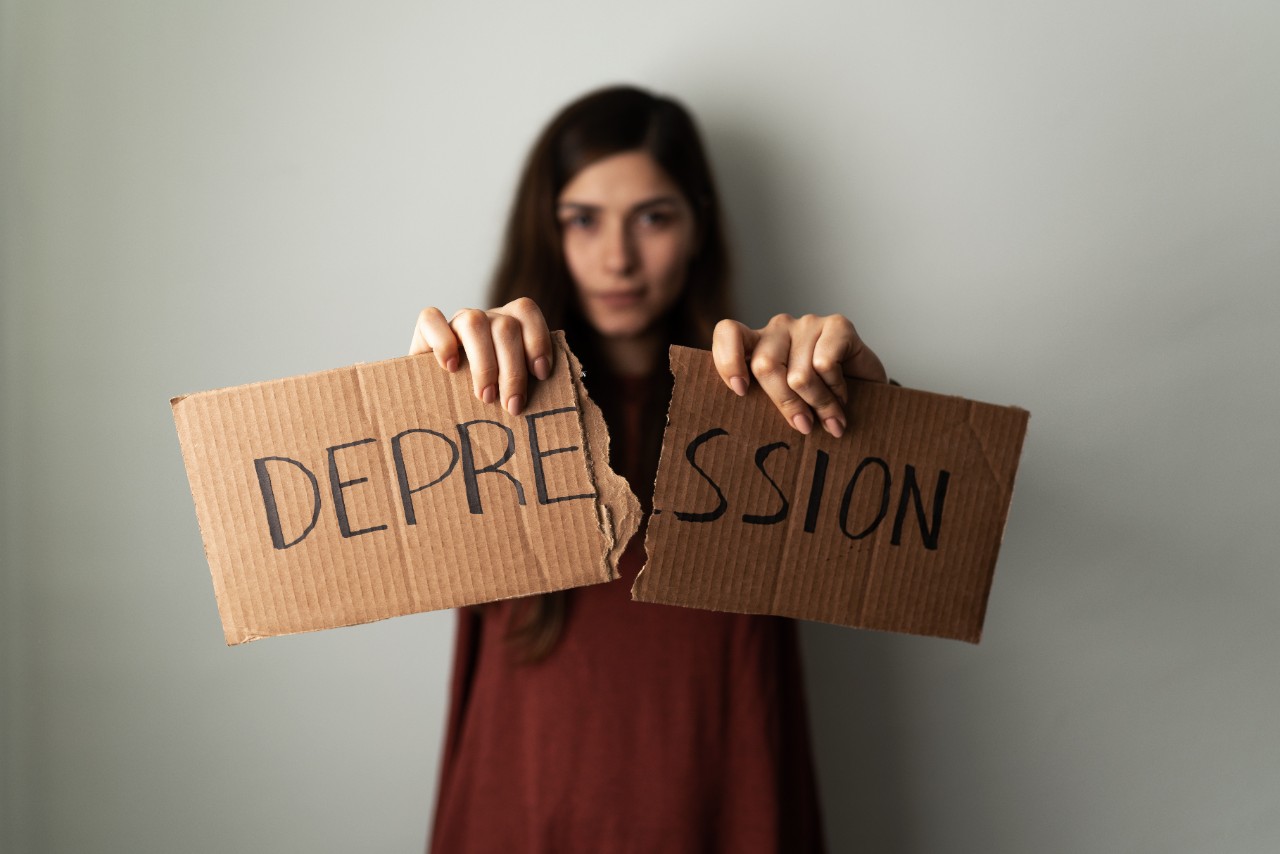
Feeling better after depression can bring a sense of relief. You may regain energy, reconnect with people, become interested in activities again, sleep more consistently, and feel more capable of handling everyday life.
Then something begins to change.
Perhaps you are sleeping poorly again. Activities feel less enjoyable. You are withdrawing from friends. Work requires more effort. Motivation is disappearing, or the familiar sense of sadness or hopelessness is returning.
This can lead to an unsettling question: Can depression come back after you start feeling better?
Yes, depression symptoms can return after a period of improvement or recovery. For some people, depression occurs as a single episode. For others, depressive episodes can recur.
A return of symptoms also does not necessarily mean previous treatment was unsuccessful. Depression can change over time, and many factors may influence whether symptoms return.
Recognizing signs of depression relapse or recurrence early can be valuable because it provides an opportunity to reassess symptoms and treatment before they become more disruptive.
Here is what to know about depression returning, possible warning signs, why symptoms may reappear, what to do if you notice them, and how ongoing psychiatric care may help.
Yes.
A person can experience meaningful improvement from depression and later develop symptoms again.
This can happen after psychotherapy, medication treatment, a combination of treatments, or another appropriate intervention.
The experience varies significantly.
Some people remain well for long periods. Others experience multiple episodes of depression during their lives.
A return of symptoms should be evaluated in context rather than interpreted automatically as evidence that previous treatment “failed.”
If treatment helped you recover or significantly improve, that improvement still mattered.
The more useful question is what is happening now and whether the current symptoms require treatment.
People frequently use depression relapse to describe depression symptoms returning after someone has begun improving.
In clinical discussions, relapse and recurrence may be distinguished based partly on where the person is in the course of recovery.
A relapse generally refers to symptoms returning during recovery from the same episode before a sustained recovery has been established.
For patients, the most important point is simpler:
If depression symptoms begin returning after you have improved, contact your healthcare professional rather than waiting for terminology to determine whether you need help.
A recurrence of depression generally refers to a new depressive episode after a period of recovery.
The distinction between relapse and recurrence can be useful clinically because it helps professionals describe the course of illness.
However, patients do not need to determine whether their symptoms technically represent a relapse or recurrence before seeking care.
If you have previously experienced depression and recognize symptoms returning, a psychiatric evaluation can help determine what is happening and whether treatment should be restarted, continued, or adjusted.
No.
Having recurrent episodes does not mean someone is continuously depressed.
A person may experience periods of significant depression separated by periods in which symptoms substantially improve or resolve.
The course varies between individuals.
Some people have one depressive episode and do not experience another. Others experience recurrent episodes.
If you have experienced multiple episodes, your psychiatrist may consider that history when discussing ongoing treatment and monitoring.
The signs of depression relapse are not necessarily identical for everyone.
Your earliest warning signs may resemble the beginning of a previous depressive episode.
Possible symptoms include:
One difficult day does not necessarily mean depression has returned.
Clinicians consider the pattern, persistence, severity, and effect of symptoms on functioning.
The earliest warning signs can sometimes be subtle.
You may not immediately think, “My depression is coming back.”
Instead, you might notice that you are gradually changing your routines.
Maybe you stop exercising.
You begin canceling plans.
Your sleep becomes inconsistent.
You spend more time in bed.
You stop responding to messages.
Work begins piling up.
Activities you normally enjoy feel less rewarding.
You become increasingly critical of yourself.
These changes deserve attention, particularly if they resemble the early stages of a previous depressive episode.
Recognizing your own pattern can help you seek care sooner.
Sleep changes can occur with depression, although they can have many other causes.
Some people begin sleeping much more than usual.
Others develop insomnia, wake frequently, or wake earlier than intended.
Sleep disruption can also affect mood, energy, concentration, and emotional regulation, making the overall picture more complicated.
If sleep changes occur alongside returning low mood, loss of interest, reduced motivation, or other depressive symptoms, mention the pattern to your healthcare professional.
Do not assume every sleep problem means depression has returned, but do not ignore a persistent change that resembles your previous symptoms.
Loss of interest or pleasure can be an important depressive symptom.
You may notice that hobbies, exercise, social activities, entertainment, food, sex, or time with people you care about no longer feel as rewarding.
Sometimes the change happens gradually.
You may initially continue activities out of habit but realize you are no longer enjoying them.
If this occurs alongside other symptoms, it may be worth discussing with a mental health professional.
Depression can affect concentration, memory, decision-making, and the ability to complete tasks.
However, concentration problems are not specific to depression.
They can also occur with anxiety, ADHD, sleep deprivation, substance use, stress, medications, and medical conditions.
The history can provide important clues.
If your concentration was previously better when depression improved and is now declining alongside other depressive symptoms, that pattern may be clinically relevant.
Yes, some people experiencing depression notice increased irritability.
They may become more easily frustrated, impatient, withdrawn, or emotionally reactive.
Because depression is commonly associated with sadness, people sometimes overlook other changes in mood.
If irritability occurs together with sleep problems, loss of interest, low energy, concentration difficulties, or other depressive symptoms, consider discussing the overall pattern with a clinician.
There is rarely one explanation that applies to everyone.
Depression can have a complex course, and returning symptoms may reflect multiple interacting factors.
A psychiatrist may consider:
Sometimes there is an obvious change before symptoms return.
Other times there is no single identifiable trigger.
Not knowing exactly why symptoms returned does not make them less important.
Significant or prolonged stress can affect mental health.
Stress involving work, finances, relationships, caregiving, grief, health problems, major transitions, or other life circumstances may contribute to emotional distress.
However, it is important not to reduce every depressive episode to stress.
A person can experience depression without an obvious external event, and difficult circumstances can coexist with a depressive disorder.
If symptoms are persistent or severe, professional evaluation can help distinguish an expected response to circumstances from depression or another mental health condition.
Yes.
People sometimes become confused or guilty when depression symptoms return despite circumstances appearing positive.
They may think:
“I have a good job.”
“My relationship is going well.”
“Nothing terrible happened.”
“Why am I depressed again?”
Depression does not always require an obvious external trigger.
Your symptoms deserve appropriate attention even if you cannot identify a clear reason for them.
It is possible for someone taking an antidepressant to experience returning depressive symptoms.
If this happens, do not automatically assume that you should stop the medication or increase the dose.
Several possibilities may need to be considered.
Your clinician may ask:
The treatment plan may need reassessment, but the appropriate response depends on the individual.
Patients sometimes describe the return of symptoms by saying their antidepressant stopped working.
That is understandable, but the return of depression does not automatically prove that the medication itself suddenly lost effectiveness.
Your psychiatrist may need to review the broader clinical situation.
There may have been changes in adherence, health, stress, sleep, other medications, or the underlying course of depression.
Sometimes treatment does need to be changed.
In other situations, a different factor may be contributing.
Saltmeadow Psychiatry's article “Antidepressants Not Working? Why It Happens and What to Do Next” explores this issue in greater detail.
Taking psychiatric medication inconsistently can complicate treatment.
Depending on the medication, missed doses may contribute to discontinuation symptoms or make it difficult to determine whether treatment is still providing adequate benefit.
If you have missed medication, tell your prescriber.
Do not hide it because you are worried about being judged.
Accurate information can prevent your clinician from making treatment decisions based on the assumption that medication has been taken consistently.
Depressive symptoms can recur after antidepressant treatment is discontinued, although that does not mean everyone who stops medication will experience another episode.
The appropriate duration of antidepressant treatment depends on individual circumstances.
Factors may include:
There is also an important distinction between depression recurrence and antidepressant discontinuation symptoms.
Stopping certain antidepressants abruptly can produce symptoms that may be uncomfortable and can sometimes be confused with returning psychiatric symptoms.
For that reason, decisions about stopping antidepressants should be discussed with the prescribing clinician.
Not automatically.
Feeling better may mean the treatment is helping.
It does not necessarily mean medication is no longer needed.
The decision about how long to continue antidepressant treatment should be individualized.
Your clinician may consider your history, severity of previous symptoms, number of episodes, current stability, treatment response, and other factors.
If medication is eventually discontinued, your prescriber may recommend reducing it gradually depending on the medication and circumstances.
Do not abruptly stop psychiatric medication because symptoms have improved.
Yes, depressive episodes can occur after substantial periods of improvement or recovery.
A previous history of depression is therefore useful information even if the earlier episode occurred years ago.
If symptoms return, tell your psychiatrist about previous episodes and what treatment helped.
Past treatment response can sometimes provide useful context when considering current options.
Some people experience recurrent depression, meaning they have multiple depressive episodes over time.
If depression repeatedly returns, the treatment conversation may expand beyond treating only the current episode.
Your psychiatrist may consider longer-term strategies intended to reduce recurrence risk and identify symptoms earlier.
This could include ongoing medication for some individuals, psychotherapy, monitoring, management of co-occurring conditions, and attention to other factors relevant to the individual.
There is no single prevention strategy appropriate for everyone.
No.
A history of depression does not guarantee that another episode will occur.
The course of depression varies considerably.
Some people experience one episode. Others experience multiple episodes.
Rather than assuming recurrence is inevitable, it can be more useful to understand your personal warning signs and know when to seek help.
Everyone experiences difficult periods.
Stress, poor sleep, disappointment, grief, illness, relationship problems, and demanding work can temporarily affect mood and energy.
Clinicians therefore consider more than whether someone feels sad.
Questions may include:
How long have the symptoms lasted?
Are they present most days?
Have you lost interest in activities?
Has your sleep changed?
Has your appetite changed?
Is concentration more difficult?
Are you withdrawing socially?
Are symptoms interfering with work or relationships?
Do you feel hopeless or worthless?
Are there safety concerns?
If symptoms persist, worsen, or significantly affect functioning, an evaluation may be appropriate.
Anxiety and depression can overlap.
Both can affect sleep, concentration, energy, motivation, and functioning.
If you have previously experienced depression but now feel primarily worried, tense, restless, or fearful, it may not be obvious whether depression is returning or anxiety has become more prominent.
It is also possible to experience both.
Saltmeadow Psychiatry's guide to Depression vs. Anxiety explains the similarities and differences in more detail.
A psychiatric evaluation can help clarify the symptom pattern.
People sometimes describe returning depression symptoms as burnout.
Burnout may involve exhaustion, detachment, and reduced effectiveness associated with prolonged occupational or caregiving stress.
Depression can affect a broader range of life and may include persistent low mood, loss of interest, hopelessness, guilt, sleep or appetite changes, and other symptoms.
The experiences can overlap.
If symptoms extend beyond a particular stressful environment or continue despite rest and changes in circumstances, a mental health evaluation may be appropriate.
Grief and depression can share certain experiences, including sadness, sleep changes, reduced appetite, and difficulty concentrating.
Grief is a natural response to loss and does not automatically represent a depressive disorder.
However, grief and depression can coexist.
If symptoms are severe, persistent, or accompanied by significant impairment or safety concerns, professional evaluation may help determine what kind of support or treatment is appropriate.
There can be overlap between symptoms of ADHD and depression.
Both can involve:
However, the history and nature of symptoms may differ.
ADHD generally involves a longstanding developmental pattern, while concentration difficulties associated with depression may emerge or worsen during depressive episodes.
Someone can also have both ADHD and depression.
A psychiatrist may review when symptoms began and whether attention problems persist when mood is better.
Some medical conditions and medications can contribute to symptoms that overlap with depression.
Fatigue, concentration problems, sleep disturbances, appetite changes, and low energy can have several possible causes.
This is why psychiatric assessment includes relevant medical history and medication review.
Depending on the circumstances, coordination with a primary care clinician or another medical professional may be appropriate.
Do not wait for symptoms to become severe before acknowledging them.
Start by paying attention to what has changed.
Ask yourself:
When did I first notice the change?
Has my sleep changed?
Am I withdrawing from people?
Have I stopped activities I usually enjoy?
Is work becoming more difficult?
Am I taking medication consistently?
Have there been major stressors?
Is my mood getting progressively worse?
Are there safety concerns?
Then discuss the pattern with your psychiatrist, therapist, primary care clinician, or another appropriate mental health professional.
No.
Even if a medication helped during a previous episode, do not restart leftover prescription medication without appropriate medical guidance.
Your current circumstances may differ from when the medication was originally prescribed.
Other medications, medical conditions, dosage considerations, or changes in diagnosis may affect whether that treatment is still appropriate.
A clinician can review the history and determine what approach makes sense now.
A psychiatric evaluation can help determine whether symptoms represent recurrent depression or another concern.
Your psychiatrist may ask about:
The goal is not merely to confirm that you “feel depressed.”
It is to understand what is happening and determine an appropriate treatment plan.
If you have experienced depression before, previous treatment provides valuable information.
Try to remember:
You do not need perfect records.
If you cannot remember exact medication doses or dates, tell your psychiatrist what you do remember.
Treatment depends on the individual's symptoms, diagnosis, severity, history, medical considerations, and previous response.
Potential approaches may include psychotherapy, medication, changes to an existing medication plan, treatment of co-occurring conditions, or other evidence-based psychiatric interventions.
A treatment that helped previously may be relevant, but it is not automatically the right choice now.
Your clinician should consider your current situation.
Psychiatric medication management becomes particularly important when someone has experienced recurrent symptoms.
Treatment involves more than writing another prescription.
Your psychiatrist may evaluate whether your current medication remains appropriate, whether it is being taken consistently, whether side effects are present, and whether symptoms have changed.
Follow-up can monitor:
This information helps guide treatment decisions over time.
Psychotherapy can be an important part of depression treatment for many people.
Depending on the therapy approach and individual needs, treatment may help with patterns involving thoughts, behavior, relationships, coping, stress, or other areas.
Some people continue therapy after symptoms improve.
Others return to therapy when warning signs emerge.
Whether ongoing psychotherapy is appropriate depends on the individual and should be discussed with the treating professional.
Sleep, physical activity, social connection, substance use, stress, and daily routines can all be relevant to mental health.
Healthy routines may support overall well-being, but they should not be presented as guaranteed ways to prevent depression.
Someone experiencing a significant depressive episode should not be told that exercise, better sleep, or positive thinking alone will necessarily solve the problem.
These factors can be parts of a broader treatment plan when appropriate.
If you have experienced depression previously, it may be helpful to identify your personal warning signs while you are feeling relatively well.
Your plan might include:
For example, perhaps your first warning sign is withdrawing from friends.
Another person's earliest sign may be waking several hours earlier than usual.
Knowing your own pattern can make changes easier to recognize.
For some people, trusted family members, partners, or friends can provide valuable support.
They may notice changes that are difficult to recognize from inside the experience.
A partner might notice that you have stopped cooking, are spending more time in bed, or have become unusually withdrawn.
Whether and how you involve other people is a personal decision.
If appropriate, you can discuss with your clinician how trusted support figures might fit into your care.
Repeated episodes despite treatment deserve careful reassessment.
Your psychiatrist may review whether the diagnosis remains accurate, whether previous treatment trials were adequate, whether medications are being taken consistently, and whether another condition is affecting treatment.
It is also important to distinguish recurrence after previous successful treatment from depression that never adequately improved.
These situations may require different clinical considerations.
Treatment-resistant depression generally refers to depression that has not adequately improved despite appropriate treatment attempts.
Definitions can vary.
Recurrent depression and treatment-resistant depression are not necessarily the same thing.
Someone may respond well to treatment and later experience a new episode. Another person may experience persistent symptoms despite multiple appropriate treatment trials.
A psychiatrist can review the treatment history to better understand which pattern applies.
Saltmeadow Psychiatry has a separate resource explaining What Is Treatment-Resistant Depression?
When depression remains significant despite multiple appropriate medication trials, treatment may need a broader reassessment.
A psychiatrist may examine:
Depending on the clinical situation, other treatment strategies may be considered.
For eligible adults with treatment-resistant depression, one option that may be considered is Spravato® (esketamine).
Spravato is not simply a treatment for anyone whose depression returns.
It is used under specific clinical circumstances and requires an appropriate evaluation.
For eligible patients with treatment-resistant depression, Spravato may be considered based on diagnosis, previous treatment history, medical considerations, and other factors.
Spravato is administered in a certified healthcare setting with monitoring.
Saltmeadow Psychiatry provides Spravato treatment for eligible patients in Savannah, Georgia.
Consider seeking an evaluation when symptoms are persistent, worsening, or beginning to interfere with your life.
You do not need to wait until you are unable to function.
Reasons to schedule an appointment may include:
Earlier reassessment can provide more information about what is happening and what options may be appropriate.
Depression can involve thoughts of death, suicide, or self-harm.
These symptoms require particular attention.
If you are thinking about suicide, tell a healthcare professional or someone who can help you access support.
If you are in immediate danger or unable to keep yourself safe, do not wait for a routine outpatient appointment.
In the United States, call or text 988 to reach the Suicide & Crisis Lifeline.
If there is immediate danger, call 911 or go to the nearest emergency department.
If you are concerned that depression is coming back, a psychiatric evaluation can help clarify whether symptoms represent a recurrence, an incomplete response to current treatment, another psychiatric concern, or a different issue that deserves attention.
At Saltmeadow Psychiatry, Dr. Daniel Perry, MD, MPH provides individualized psychiatric evaluation and medication management for adults in Savannah, Georgia.
For patients with returning depression symptoms, care may include reviewing current symptoms, previous episodes, medication history, treatment response, side effects, adherence, and other factors that may influence mental health.
Saltmeadow Psychiatry provides care for depression, anxiety, adult ADHD, addiction-related concerns, medication management, and treatment-resistant depression.
For eligible patients with treatment-resistant depression, Saltmeadow Psychiatry also provides Spravato® treatment in Savannah, GA.
Treatment recommendations are individualized according to the patient's diagnosis, history, symptoms, previous treatment, medical considerations, and needs.
9100 White Bluff Rd, Suite 303
Savannah, GA 31406
Phone: (912) 513-2888
Request an Appointment:
https://spruce.care/danielperrymd
Yes. Depression symptoms can return after a period of improvement or recovery. Some people experience one depressive episode, while others experience recurrent episodes.
Possible signs include returning low mood, loss of interest, fatigue, sleep changes, appetite changes, difficulty concentrating, social withdrawal, reduced motivation, feelings of worthlessness or hopelessness, and other symptoms associated with depression.
There is no single explanation. A clinician may consider the course of depression, treatment history, medication adherence, stress, sleep, substance use, medical factors, other psychiatric symptoms, and other changes.
Yes. Some people experience returning symptoms while taking medication. This does not automatically mean the medication has stopped working. A clinician can evaluate adherence, treatment response, symptom changes, stressors, other medications, and additional factors.
Depressive symptoms can recur after medication is discontinued, although recurrence is not inevitable. Stopping certain antidepressants abruptly can also cause discontinuation symptoms, which is one reason medication changes should be discussed with the prescriber.
Look at the duration, persistence, severity, and effect of symptoms. A short period of sadness or stress is different from a sustained pattern involving low mood, loss of interest, sleep changes, concentration problems, low energy, or impaired functioning.
Yes. A depressive episode can occur after a long period of recovery. Tell your clinician about previous episodes even if they happened years ago.
No. Not everyone who experiences depression will have another episode. The course varies considerably between individuals.
Recurrent depression refers broadly to experiencing more than one depressive episode over time, with periods of improvement or recovery between episodes.
A relapse generally describes symptoms returning during recovery from an episode, while recurrence generally refers to a new episode after recovery. Patients do not need to determine the terminology themselves before seeking help.
Significant or prolonged stress may affect mental health and can occur around the same time as returning depressive symptoms. However, depression does not always have an obvious external trigger.
Sleep and mood are closely related, and persistent sleep disruption can affect mental health. However, sleep problems have many causes. Returning sleep difficulties alongside other depressive symptoms should be discussed with a healthcare professional.
Do not restart leftover prescription medication on your own. A clinician should review your current symptoms, medical history, other medications, and previous treatment before recommending a medication plan.
Talk with the clinician managing your medication. Do not abruptly stop or change the dose yourself. Your clinician can review whether the medication, diagnosis, dose, adherence, or broader treatment plan needs reconsideration.
No. A person may respond well to treatment and later experience another depressive episode. Treatment-resistant depression generally refers to inadequate response despite appropriate treatment attempts. The concepts can overlap in some patients but are not interchangeable.
Saltmeadow Psychiatry provides psychiatric evaluation and medication management for adults in Savannah, Georgia, including care for depression and evaluation of persistent or returning symptoms.

